
Exploring the complexities of gambling A complete overview
Exploring the complexities of gambling A complete overview
The Historical Context of Gambling
Gambling has a rich history that dates back thousands of years, tracing its roots to ancient civilizations such as the Chinese, Greeks, and Romans. These cultures engaged in various forms of betting, using games of chance and skill to entertain and challenge themselves. In ancient China, for example, Keno was played as a lottery-like game, while the Romans enjoyed betting on chariot races and gladiatorial contests. This historical backdrop highlights how gambling has been intertwined with societal activities and human interaction. Today, many people find excitement in games like the chicken road real money game, combining strategy and thrill.
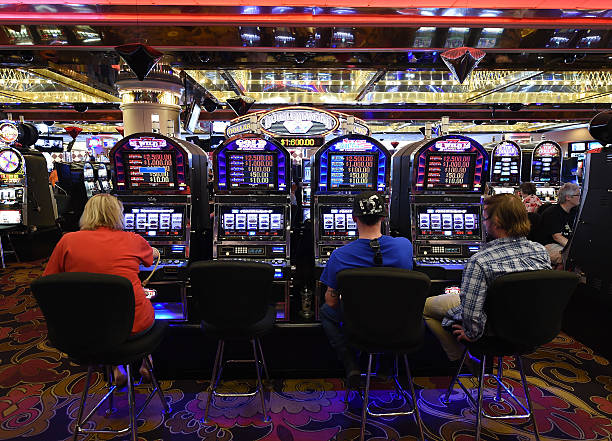
Throughout history, the perception of gambling has evolved, influenced by cultural, religious, and legal factors. For instance, in many societies, gambling was seen as a vice, leading to periods of prohibition. However, as societal norms shifted, gambling began to be embraced, often viewed as a form of entertainment and leisure. This dichotomy of perspectives continues to shape the gambling landscape today.
The Psychological Aspects of Gambling
The psychology of gambling is a fascinating area that delves into the motivations and behaviors of gamblers. Many individuals are drawn to gambling for the thrill of risk-taking and the excitement of potentially winning large sums of money. This adrenaline rush can create a powerful psychological reward, leading to a desire to gamble repeatedly. In some cases, this can develop into problematic gambling behaviors, where individuals may struggle to control their impulses and face serious consequences.
Additionally, cognitive biases play a significant role in gambling psychology. Gamblers often overestimate their chances of winning, leading to a phenomenon known as the “illusion of control.” This can cause individuals to make irrational decisions, such as chasing losses or playing beyond their financial limits. Understanding these psychological factors is crucial in addressing responsible gambling and promoting awareness of the risks involved.
The Social Dimensions of Gambling
Gambling is not just an individual activity; it is deeply social, often involving interactions with friends, family, or strangers. Social gambling can enhance the experience, making it more enjoyable and engaging. Many people participate in group activities like poker nights or casino outings, where the communal aspects foster camaraderie and connection. These social contexts can also influence gambling behavior, as peer pressure or social norms may encourage increased participation or risk-taking.
Moreover, the rise of online gambling platforms has transformed the social landscape of gambling. Players can now connect with others globally, participate in multiplayer games, and share experiences through social media. While this can enhance the fun, it also raises concerns regarding addiction and the potential for negative social impacts, such as isolation or financial strain among individuals who gamble excessively.
The Economic Impact of Gambling
Gambling has significant economic implications, contributing to job creation, tax revenue, and tourism in many regions. The gambling industry encompasses a wide range of activities, from casinos and sports betting to lotteries and online gaming. This diversity generates substantial income for local and national economies, often funding essential services such as education and infrastructure.
However, the economic benefits of gambling must be weighed against potential societal costs. Issues such as problem gambling can lead to increased healthcare costs, criminal activity, and loss of productivity. Balancing the economic advantages with responsible gambling initiatives is crucial for sustainable growth within this sector.

Conclusion and Resources for Responsible Gambling
Understanding the complexities of gambling is essential for both players and policymakers. With its historical roots, psychological underpinnings, social dimensions, and economic impact, gambling remains a multifaceted phenomenon. As individuals engage with gambling activities, it is vital to promote responsible gambling practices and ensure that players are aware of the risks involved.
For those seeking to navigate the gambling world safely, various resources and organizations provide support and guidance. Whether you are a casual player or a more serious gambler, prioritizing awareness and responsibility can lead to a more positive and enjoyable experience. Engaging in gambling should always be balanced with informed choices and a clear understanding of the potential consequences.